One of Crete’s Oldest Summer Dishes
Some of the finest Greek recipes don’t rely on expensive ingredients.
They rely on the rhythm of nature.
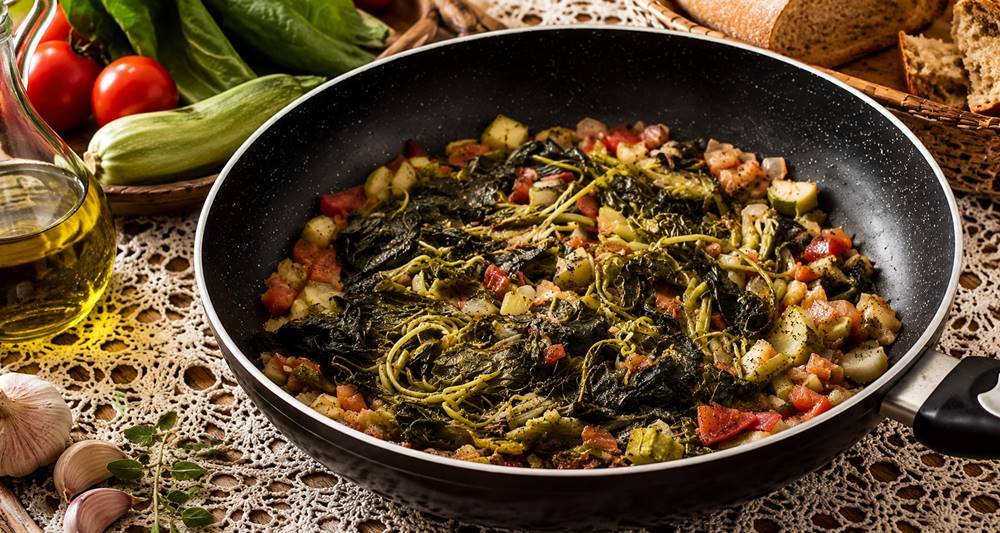
Tsigarista Vlita is one of those timeless Cretan dishes.
Every summer, when the gardens filled with tender amaranth greens, fresh zucchini and sweet ripe tomatoes, grandmothers gathered the day’s harvest and transformed it into a simple yet unforgettable meal.
No elaborate techniques.
No unnecessary ingredients.
Just fresh vegetables, excellent olive oil and patience.
That is the true spirit of traditional Cretan cooking.
A Taste of the Cretan Countryside
Across villages in Crete, vlita (amaranth greens) have always been considered a gift of summer.
Families grew them in their gardens or gathered them fresh from nearby fields.
Served with rustic bread, local white cheese and olives, this humble dish became a complete family meal.
Old Cretan cooks believed that good olive oil deserved equally good vegetables.
They never rushed the cooking.
They allowed each ingredient to develop its own sweetness naturally.
As many grandmothers would say:
“The vegetables already know how to cook—you only have to be patient.”
Authentic Cretan Tsigarista Vlita – Serves 4
Ingredients
- 1 kg (2.2 lb) tender amaranth greens (vlita)
- 2 small zucchini
- 2 ripe tomatoes
- 1 large onion
- 2 garlic cloves
- 100 ml (⅓–½ cup) extra virgin olive oil
- Salt
- Freshly ground black pepper
Instructions
Prepare the Greens
Wash the amaranth greens thoroughly.
Boil them in salted water for 8–10 minutes, just until tender.
Drain well.
Do not overcook them.
Prepare the Vegetables
In a large skillet, gently sauté the onion and garlic in the olive oil until softened.
Add the sliced zucchini.
Cook for several minutes before adding the chopped tomatoes.
Allow the vegetables to simmer slowly until the tomatoes become rich and slightly jammy.
Finish the Dish
Add the cooked amaranth greens.
Pour in just a splash of water.
Cook gently until almost all the liquid has evaporated, leaving only the fragrant olive oil.
Turn the greens gently rather than stirring constantly.
They should remain whole and delicate.
Season with salt and freshly ground black pepper.
Grandmother’s Secret
Many Cretan families added one tablespoon of red wine vinegar just before the dish finished cooking.
Not to make it sour.
Simply to enhance the natural sweetness of the greens.
It’s one of those small traditional touches that makes a remarkable difference.
Extra Cooking Tips
- Always choose young, tender greens.
- Avoid overcooking after adding the greens.
- Use generous amounts of quality extra virgin olive oil.
- Turn the greens gently instead of stirring vigorously.
- The dish tastes even better after resting for 15–20 minutes.
What to Serve with Tsigarista Vlita
Traditionally, this rustic dish is served with:
- Greek feta or local Cretan white cheese
- Rustic sourdough bread
- Kalamata or Cretan olives
- Fresh tomato salad
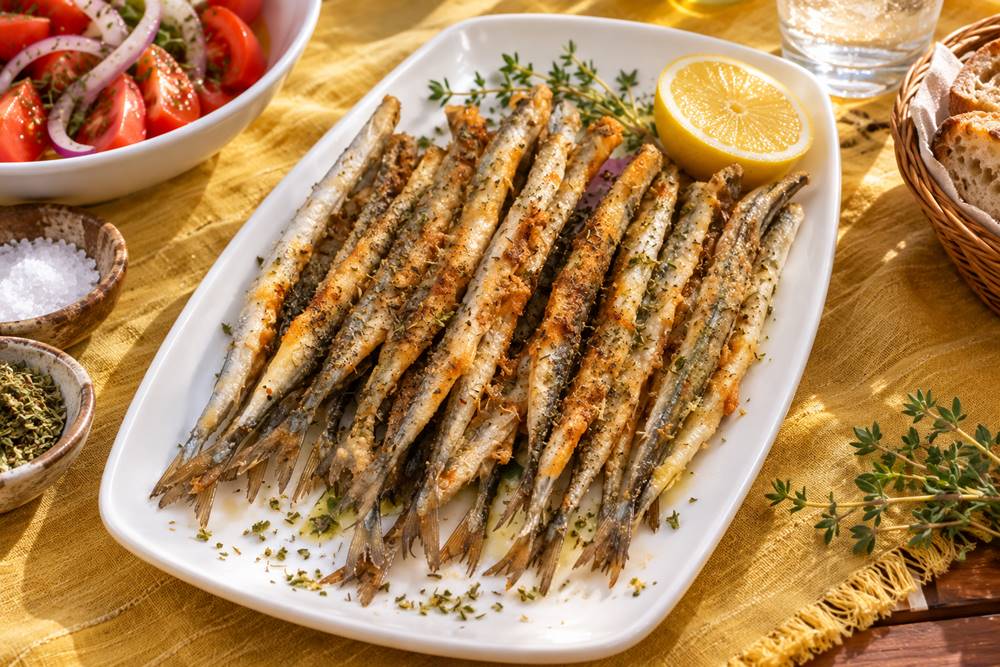
- Grilled fish
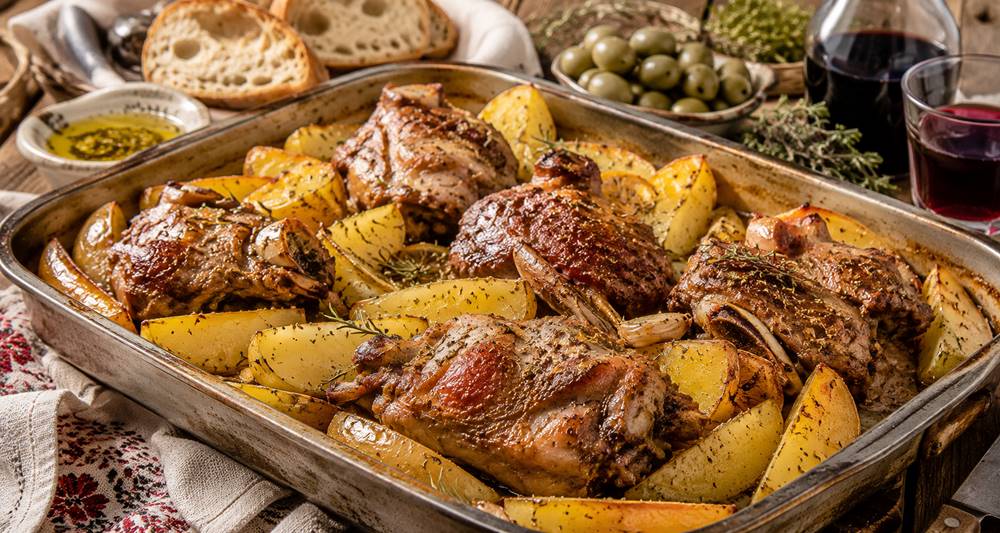
- Roasted lamb or goat (for a heartier meal)
Best Wine Pairings
Because of its fresh vegetables and olive oil, Tsigarista Vlita pairs beautifully with crisp, mineral-driven Greek wines.
White Wines
- Vidiano
- Vilana
- Assyrtiko
Rosé
A dry Greek rosé is equally refreshing.
Non-Alcoholic Pairings
- Sparkling water with lemon
- Homemade lemonade
- Mountain tea (served chilled in summer)
- Fresh grape juice
Nutritional Value
Tsigarista Vlita is naturally rich in vitamins, minerals and antioxidants.
Amaranth greens provide vitamins A, C and K, folate, calcium, magnesium and potassium.
Zucchini contributes fiber and vitamin C, while tomatoes are rich in lycopene, a powerful antioxidant.
Extra virgin olive oil adds healthy monounsaturated fats and beneficial polyphenols.
Health Benefits
As part of a balanced Mediterranean diet, Tsigarista Vlita may help support:
- Heart health through olive oil and vegetables
- Healthy digestion thanks to dietary fiber
- Bone health through vitamin K and calcium
- Immune function with vitamins A and C
- Healthy aging through antioxidant-rich ingredients
- Reduced inflammation as part of an overall Mediterranean eating pattern
Frequently Asked Questions (FAQ)
- What are vlita?
Vlita are the tender leaves of the amaranth plant, a traditional summer green enjoyed throughout Greece for generations.
- Can I substitute another leafy green?
Yes.
Spinach, Swiss chard or beet greens can be used, although the flavor will be different from authentic Cretan vlita.
- Why are the greens boiled first?
Boiling softens the stems while preserving their delicate texture before they are gently finished in the pan.
- Why shouldn’t the greens be stirred too much?
Gentle turning helps them remain whole and prevents them from becoming mushy.
- Can I make this recipe vegan?
Absolutely.
The traditional recipe is naturally vegan.
Simply serve it with bread and olives instead of cheese if desired.
- Can it be eaten the next day?
Yes.
Many Cretan families believe it tastes even better after the flavors have rested overnight.
A Dish that Celebrates Simplicity
Authentic Cretan Tsigarista Vlita reminds us that the finest meals often come straight from the garden.
Tender greens, ripe tomatoes, fragrant olive oil and a little patience create a dish that has nourished Cretan families for generations.
Simple.
Honest.
And unmistakably Greek.
Every Greek recipe tells a story. Discover authentic flavors, traditions, and timeless family recipes with CookTheGreekWay.

 CookTheGreekWay