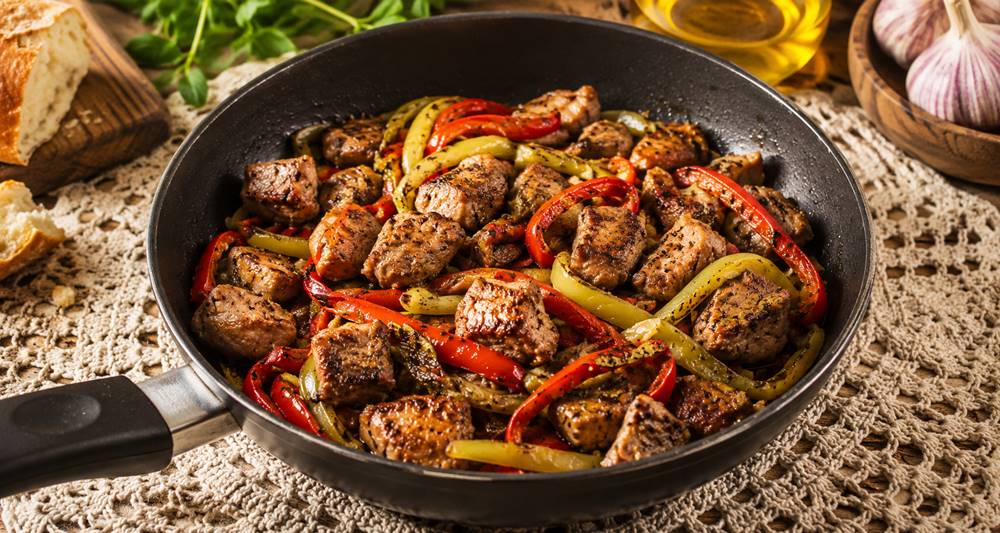
Few dishes capture the spirit of northern Greece as perfectly as Pork Tigania. Originating in Macedonia, especially around Thessaloniki, this beloved recipe began as a rustic meze served alongside homemade wine and tsipouro.
Rather than roasting large cuts of meat, villagers cut pork into bite-sized pieces and cooked it slowly in a heavy pan with onions, sweet peppers, fragrant herbs, and a splash of local white wine. The result was a deeply flavorful dish that brought family and friends together around the table.
Simple ingredients, careful cooking, and excellent olive oil are all it takes to create one of Greece’s most comforting traditional recipes.
Authentic Macedonian Pork Tigania with Peppers
Ingredients (Serves 4)
- 1 kg pork neck, cut into 3–4 cm cubes
- 2 large green peppers, sliced
- 1 Florina red pepper, sliced
- 2 large onions, thickly sliced
- 3 garlic cloves, finely chopped
- 100 ml dry white wine
- 70 ml extra virgin olive oil
- 1 tsp sweet paprika
- Freshly ground black pepper
- Salt
- A pinch of dried oregano
- Optional: a little fresh thyme
Instructions
Brown the pork
Heat a heavy skillet over high heat.
Add the olive oil and brown the pork in batches until deeply golden on every side.
Avoid overcrowding the pan, or the meat will steam instead of caramelize.
Cook the vegetables
Add the onions and peppers.
Cook until softened while still retaining a slight bite.
Deglaze
Add the garlic.
Immediately pour in the white wine.
Allow it to boil vigorously for 2–3 minutes until the alcohol evaporates.
Finish the dish
Season with paprika, black pepper, oregano, and, if desired, thyme.
Add a splash of water and continue cooking gently until the pork becomes tender.
Add the salt toward the end of cooking.
Just before serving, squeeze the juice of half a lemon over the dish and gently toss everything together.
Old Tavern Secrets
- Pork neck is the traditional cut because its marbling keeps the meat juicy.
- Always brown the meat in batches for maximum flavor.
- Use a heavy skillet or cast-iron pan.
- The peppers should soften without falling apart.
- Cook with a wine you would happily drink.
- Let the finished dish rest for 5 minutes before serving.
- Add the lemon juice only after removing the pan from the heat to preserve its fresh aroma.
Extra Tips
Marinate the pork for 1–2 hours with olive oil, garlic, and oregano for even deeper flavor.
A pinch of smoked paprika adds subtle richness without overpowering the traditional recipe.
Fresh thyme complements the peppers beautifully but should be used sparingly.
Leftovers taste even better the next day and make an excellent sandwich filling.
What to Serve with Pork Tigania
Side Dishes
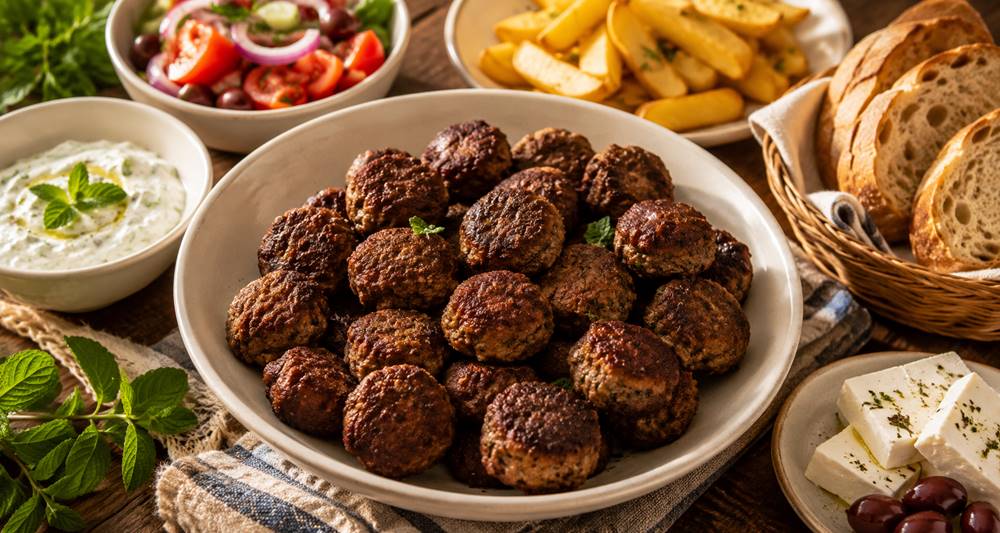
- Crispy Greek fries
- Oven-roasted potatoes
- Rustic village bread
- Creamy feta cheese
- Greek village salad
- Pickled vegetables
Wine Pairing
- Dry Assyrtiko
- Savatiano
- Moschofilero
- Young Xinomavro Rosé
- Traditional Tsipouro
- Chilled lager beer
Nutritional Value
Pork Tigania is a satisfying, protein-rich meal that also provides valuable vitamins and minerals.
It contains:
- High-quality protein
- Iron
- Zinc
- Vitamin B12
- B vitamins
- Vitamin C (from the peppers)
- Antioxidants from olive oil and peppers
- Healthy monounsaturated fats from extra virgin olive oil
Health Benefits
When enjoyed as part of a balanced Mediterranean diet, Pork Tigania may:
- Support muscle growth and recovery thanks to its high-quality protein.
- Contribute to immune function with zinc and vitamin C.
- Help maintain healthy red blood cells through iron and vitamin B12.
- Provide lasting energy from protein and healthy fats.
- Deliver antioxidants that help protect cells from oxidative stress.
FAQ
- What is Pork Tigania?
Pork Tigania is a traditional Macedonian Greek skillet dish made with pork, peppers, onions, garlic, olive oil, herbs, and white wine.
- Why is pork neck the best cut?
Its natural marbling melts during cooking, keeping the meat juicy and flavorful.
- Can I use another cut of pork?
Yes. Pork shoulder works well, while pork loin is leaner but may become drier.
- Should the peppers be soft or crunchy?
They should remain slightly firm, adding freshness and texture to the dish.
- Why is lemon juice added at the end?
Adding fresh lemon juice after cooking preserves its bright aroma and balances the richness of the pork.
- Can Pork Tigania be prepared in advance?
Absolutely. Many Greek cooks believe it tastes even better after resting for several hours or the next day, as the flavors continue to develop.
Every Greek recipe tells a story. Discover authentic flavors, traditions, and timeless family recipes with CookTheGreekWay.

 CookTheGreekWay