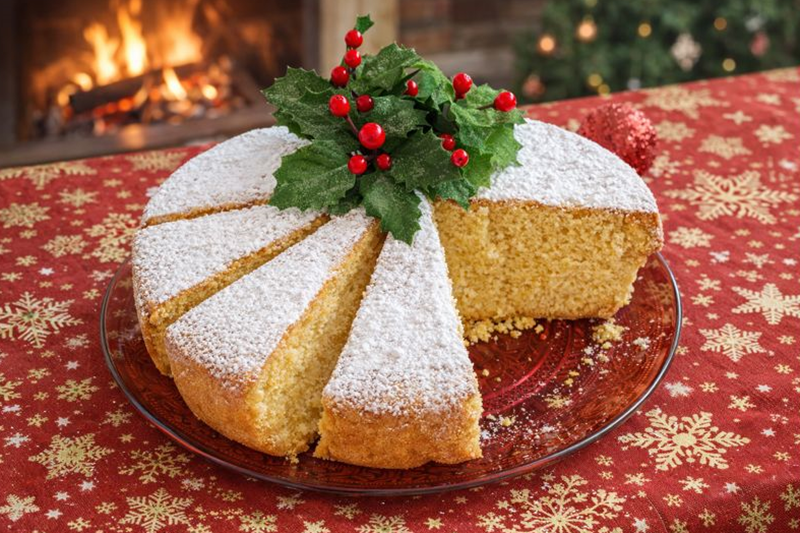
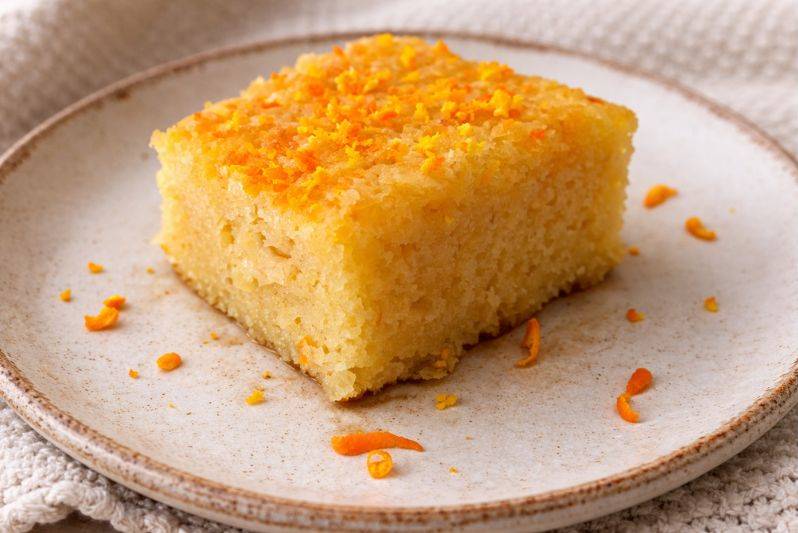
Vasilopita is not just a cake. It is a blessing, a ritual, and a memory. This traditional recipe takes us back to Greek households of the early 20th century, when baking was done with patience, faith, and care.
Fragrant, soft, and honest, this is the Vasilopita our grandmothers prepared to welcome the New Year. In the Peloponnese—especially in Arcadia, Messinia, Laconia, and Achaea—traditional Vasilopita was never a layered pastry.
Instead, it was a rich, cake-like bread, made with eggs, butter, and warm spices, marking the most important rise of the year: the very first one. This soft and fluffy Vasilopita was seen as a good omen; if it rose well, the household’s fortune would rise with it. Its roots go back to pre-modern “abundance pies”, baked as wishes for fertility, prosperity, and good harvests.
More than a dessert, Vasilopita was a symbolic act. That is why special care was given to mixing, baking, and blessing the pan—because a successful, fluffy cake meant a hopeful and generous year ahead.
This traditional Peloponnesian Vasilopita recipe keeps alive a time when the kitchen was a place of blessings, and every rise in the oven carried hope for the future.
Ingredients
- 1 cup fresh butter(or ½ butter + ½ olive oil, as was common in many villages)
- 1½ cups sugar
- 5 eggs
- 1 cup milk or freshly squeezed orange juice
- Zest of 1 unwaxed orange
- 1 shot brandy or tsipouro (traditionally, sweet Muscat wine was also used)
- ½ tsp cinnamon
- A pinch of nutmeg
- 4 cups self-rising flour(or all-purpose flour + 2 tsp baking powder)
- 1 coin (wrapped in parchment paper or foil)
- (optional) walnuts or raisins
Instructions
Beat the butter and sugar until light and fluffy.(Traditionally done with a wooden spoon.)
Add the eggs one at a time, continuing to beat.
Pour in the milk or orange juice, brandy, spices, and orange zest.
Gradually fold in the flour until you have a thick, smooth batter.
Transfer the mixture to a well-buttered baking pan and place the coin inside.
Bake in a preheated oven at 180°C / 350°F for 45–55 minutes, until golden and a knife comes out clean.
Let cool, dust with powdered sugar, and decorate with almonds forming the year.
Little Traditions That Live On
On New Year’s Eve, the woman of the house would cross the pan three times with a spoon, saying: “May our home be blessed with prosperity, and may Saint Basil watch over us.”
The coin was placed before or after baking, depending on the village. The cake was never cut before the New Year officially began.
The first slices were for Christ, the Virgin Mary, Saint Basil, the home, and then the family members.
Extra Tips for Perfect Results
Room temperature ingredients: Remove butter and eggs from the fridge 1 hour before baking.
Do not overmix: Once the flour is added, mix gently to keep the cake fluffy.
Traditional aroma: A pinch of mahleb or mastic adds an old-fashioned flavor.
Storage: Wrapped well, it stays soft for 3–4 days.
What to Serve It With
- Sweet Muscat wine or Samos Muscat, as in the old days
- Mastic liqueur or orange liqueur
- Greek coffee or filter coffee for a modern touch
For children: warm milk with a little honey
Nutritional Value
(approx. per slice)
Calories: ~320 kcal
Carbohydrates: 38 g
Fat: 16 g
Protein: 6 g
Provides energy and satiety, perfect for a festive breakfast or brunch.
Frequently Asked Questions (FAQ)
- What is Vasilopita?
Vasilopita is a traditional Greek New Year’s cake or bread, baked to celebrate January 1st, the feast day of Saint Basil. It symbolizes good fortune, prosperity, and blessings for the coming year.
- What makes this Vasilopita recipe traditional?
This recipe reflects how Vasilopita was made between 1900–1950, especially in the Peloponnese. It is a rich, fluffy cake-like bread made with butter, eggs, orange zest, and warm spices, rooted in older Greek abundance bread traditions.
- Is Vasilopita a cake or a bread?
It depends on the region. In many parts of Greece—particularly the Peloponnese—Vasilopita is closer to a soft cake or sweet bread, often described as fluffy or rich, rather than a layered pastry.
- Why is there a coin inside Vasilopita?
The hidden coin (known as the flouri) is a symbol of luck and prosperity. Whoever finds it in their slice is believed to be especially blessed for the year ahead.
- When is Vasilopita traditionally cut?
Vasilopita is traditionally cut after midnight on New Year’s Eve or on New Year’s Day. The first slices are offered symbolically to Christ, the Virgin Mary, Saint Basil, and the home, before serving family members.
- Can I substitute ingredients in this Vasilopita recipe?
Yes. You may:
- Replace milk with orange juice for a more aromatic result.
- Use olive oil instead of part of the butter, as was common traditionally.
- Add walnuts or raisins, depending on regional preference.
- Small variations were always part of Greek home baking.
- How do I keep Vasilopita fluffy?
To achieve a soft and fluffy texture:
- Use room-temperature ingredients
- Do not overmix once the flour is added
- Bake at the correct temperature and avoid opening the oven early
- Traditionally, a good rise was considered a sign of good luck.
8. How long does Vasilopita keep?
Stored properly and well wrapped, Vasilopita stays soft for 3–4 days at room temperature. It can also be lightly warmed before serving.
- What does Vasilopita pair well with?
Vasilopita pairs beautifully with:
- Sweet Muscat wine
- Greek coffee
- Mastic or orange liqueur
- Warm milk or tea for breakfast
10. Is Vasilopita only eaten in Greece?
While it is a deeply Greek tradition, Vasilopita is now baked by Greek communities worldwide, keeping cultural memory and family rituals alive across generations.

 CookTheGreekWay