
In the heart of Northern Greece, in the region of Naoussa, Macedonia, winter kitchens used to fill with the aromas of toursi (pickled vegetables) and simmering meats. Families preserved cabbage and peppers to last through the cold months, and the combination of pork and pickled cabbage became a Sunday staple — hearty, tangy, and comforting.
This dish is inspired by that traditional Macedonian recipe, but with a modern twist — using ready-made pickled cabbage, so you can easily recreate the nostalgic taste of a grandmother’s kitchen, even on a busy weekday.
It’s simple, full of character, and irresistibly cozy.
If you’re looking for an authentic Greek pork recipe that’s both rustic and easy to make, this Pork with Pickled Cabbage (Naoussa-style) is the one.
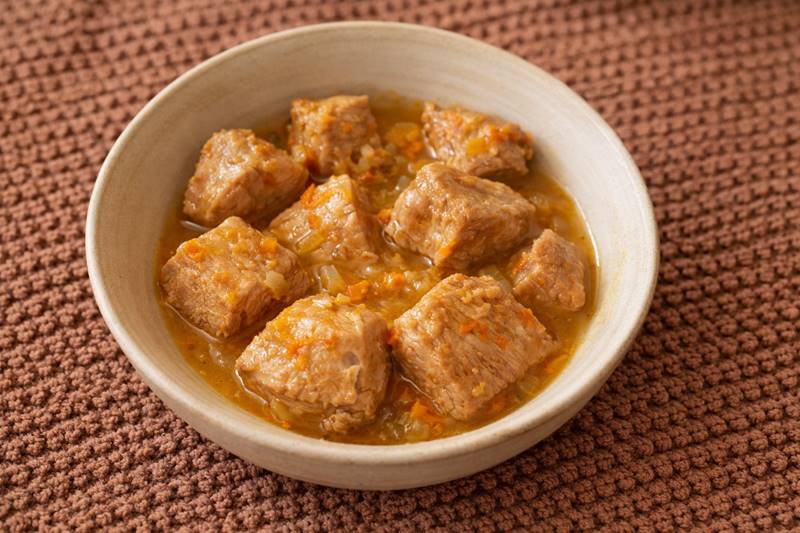
It brings together tender pieces of pork, fragrant paprika, and the bright tang of pickled cabbage — all slow-cooked into a dish that tastes like home.
This is a Macedonian classic, passed down through generations, and now adapted for today’s cooks. Perfect for family dinners, cozy weekends, or when you crave something soulful and deeply flavorful.
Ingredients (Serves 4–5)
- 1.5 kg (3.3 lb) pork shoulder or belly, cut into portions
- 700–800 g (1.5–1.7 lb) ready-made pickled cabbage, finely chopped
- 1 large onion, chopped
- 2 garlic cloves, crushed
- ½ cup olive oil
- 1 cup white wine (or red, for a deeper flavor)
- 1 tbsp tomato paste (or 1 small grated ripe tomato)
- 1 tsp sweet paprika (or smoked paprika)
- ½ tsp chili flakes (optional)
- 1 bay leaf
- ½ tsp sugar (to balance the sourness)
- Freshly ground pepper
- (Optional) 1 roasted red pepper (Florina pepper), sliced
Preparation
- Prep the pickled cabbage:
Taste it first. If it’s too salty or sour, rinse once under cold water and squeeze well. Let drain.
- Sear the pork:
In a wide pot, heat the olive oil and brown the pork on all sides — you want a golden crust, not boiled meat. Add the onion and garlic, and sauté for 2–3 minutes until soft and aromatic.
- Deglaze with wine:
Pour in the wine and let it simmer for 2–3 minutes until the alcohol evaporates, leaving just the aroma.
- Add everything else:
Stir in the pickled cabbage, tomato paste, paprika, chili flakes, bay leaf, sugar, and pepper. Add the Florina pepper if using.
- Simmer:
Pour in 1 cup of hot water or stock (not more — the cabbage will release liquid). Cover and simmer gently for about 50–60 minutes, until the pork is tender and the cabbage has melded into a flavorful sauce.
- Optional finishing touch:
For a caramelized, melt-in-the-mouth finish, place the uncovered pot in the oven at 180 °C / 350 °F for 20 minutes. If the dish tastes a bit too sour, add a pinch of sugar or a splash of wine vinegar to balance it.
Serving Suggestions
Serve warm with:
- traditional cornbread (bobota),
- boiled potatoes, or
- homemade egg noodles (chylopites).
Extra Tips
- If your pickled cabbage is too sour, you can soak it in lukewarm water for 10–15 minutes before cooking.
- Pork shoulder or belly works best for tenderness and flavor. For a lighter version, choose lean pork leg and reduce the olive oil slightly.
- For a smokier touch, use smoked paprika and add a few caraway seeds or thyme.
- For extra richness, finish the dish in the oven as described — it gives a beautiful caramelized surface.
- Leftovers taste even better the next day! Store in the fridge and reheat gently over low heat.
Wine Pairing
- Red wine: Try a Naoussa Xinomavro — its earthy acidity pairs wonderfully with the pork and cabbage.
- White option: A full-bodied Assyrtiko or Roditis balances the tang and fat nicely.
- Casual option: A crisp pilsner or lager beer works perfectly too.
- Festive twist: Try a rosé or orange wine for something more aromatic and modern.
Nutritional Value (approx. per serving)
Calories: 550–650 kcal
Protein: 40–45 g
Fat: 30–35 g
Carbs: 10–15 g
Fiber: 3–4 g
Sodium: Moderate to high (depends on pickled cabbage; rinsing helps)
For a lighter version, use lean pork, less oil, and more cabbage or vegetables.
FAQ
- Can I use fresh cabbage instead of pickled?
You can, but you’ll lose the signature tang. Add a little vinegar or lemon juice to mimic the flavor of toursi.
- My dish turned out too sour — how can I fix it?
Add a pinch of sugar, a drizzle of olive oil, or a spoonful of tomato sauce at the end to soften the acidity.
- Can I cook it entirely in the oven?
Yes! After browning the pork and deglazing, transfer everything to a baking dish or Dutch oven and cook covered at 170–180 °C / 340–350 °F for about 1 hour.
- Is there a vegetarian alternative?
You can replace the pork with hearty vegetables (like mushrooms and lentils) and keep the same seasoning — it becomes a wonderful plant-based winter stew.





 CookTheGreekWay